







Search Results for: Oatmeal Cookie Latte
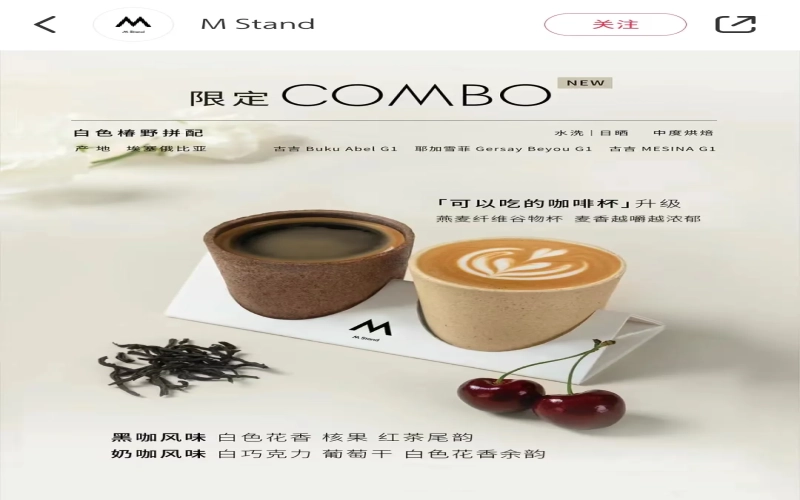
M Stand launches an edible cup Combo set: the one-bean-two-ways concept is full of creativity, yet netizens complain the cup itself is hard to gnaw through
M Stand once went viral online with an oat cookie latte that you can eat together with the cup. Now the brand has innovated further on this basis, launching a limited-edition Combo paired with a medium-roast Ethiopian blend bean, achieving two drinks from one bean. The black-and-white edible cups respectively hold a hot americano and a hot latte. The cup bodies are made from oat fiber grain, with the white cup being original flavor and the black cup cocoa flavor. However, this new product, which must be enjoyed on-site and cannot be delivered, has sparked polarized reviews on social platforms—beyond the coffee's taste drawing attention, the texture of the oat cup itself has become a hot topic of discussion. Many netizens complain that it is dry and hard like paper, difficult to swallow, and some even had their mouths cut. [more…]
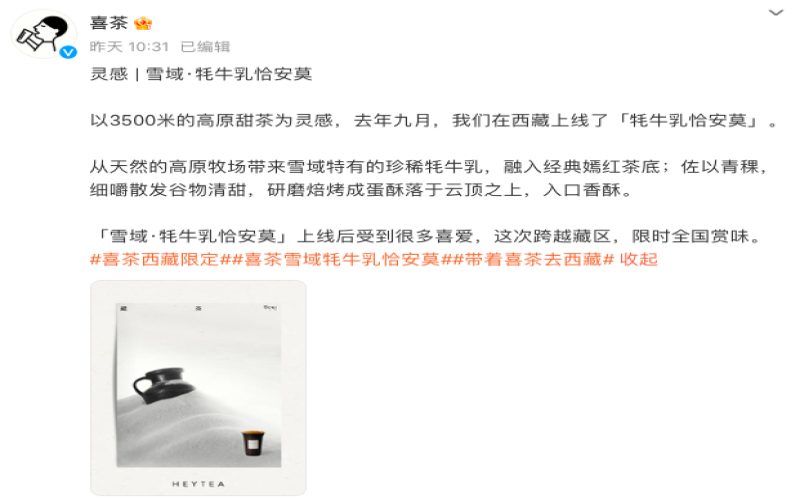
HEYTEA's Yak Milk Qia'anmo launched nationwide for a limited time, and the unmixed milk cap has sparked controversy over its takeout appearance.
Heytea recently launched a limited-time offering of the previously Tibet-exclusive yak milk tea, Qiammo, across its nationwide stores. This Tibetan-style sweet tea features yak milk, highland barley base, and a highland barley egg crisp crumble cheese milk cap, sparking anticipation among longtime fans. However, during delivery, the milk cap was not packaged separately, which significantly diminished the drink's appearance and taste, leading many consumers to complain that its look and flavor closely resembled childhood Jinwei cereal. The brand subsequently made emergency adjustments to its packaging rules: hot drinks are now separated by default, while cold drinks require a note. This article reviews the product background, consumer feedback, and the official response, presenting this new product controversy for coffee and tea enthusiasts. [more…]
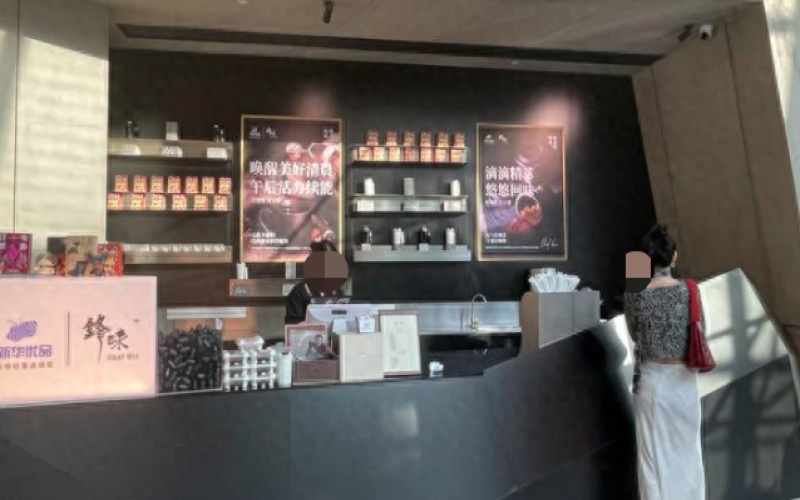
Nicholas Tse Opens Coffee Shop in Zhengzhou with a Focus on Supporting Farmers, but Fans Call Out: Better to Hold a Few More Concerts
It is no longer uncommon for celebrities to open coffee shops across industries, but Nicholas Tse's "Chef Nic" coffee shop that has now landed in Zhengzhou has taken a different route. The shop was jointly created by Chef Nic and Xinhua Youpin under Xinhua News Agency. In addition to serving coffee and light meals, it also displays poverty-alleviation agricultural products such as Yunnan Menglian coffee, Hebei Wuqiao roast chicken, and Inner Mongolia oatmeal, as well as intangible cultural heritage handicrafts and cultural merchandise. Fans who visited the shop reported that the coffee was mediocre, with the bean aroma not standing out enough, and that it felt more like a space for experiencing poverty-alleviation agricultural products. At the same time, many longtime fans have spoken up: rather than opening shops nationwide, it would be better to hold concerts quickly. [more…]
Yirgacheffe SOE Latte tested: From bean selection to extraction parameters, teaching you to make a cup of espresso with lemon cookie flavor
Many people think that simply putting single-origin beans into an espresso machine will produce a SOE, but the result is either sputtering or acidity so sharp it's undrinkable. In fact, the problem usually lies in the roast level—not all single-origin beans are suitable for espresso. On Front Street Coffee's bean list, there are two SOE versions to choose from: the strawberry-scented Front Street Huakui and the classic Yirgacheffe-flavored Front Street Konga Red Cherry. Just check the espresso roast option when ordering. This article uses Front Street Ethiopia Natural Konga as an example to share in detail the complete process for making a SOE Yirgacheffe latte, including key parameters such as grind setting, dose-to-yield ratio, and extraction time, as well as how to steam dense microfoam and integrate it with the espresso. The resulting latte tastes like lemon-flavored cookies at first sip—rich, fragrant, and smooth—and leaves you feeling warm all over after drinking it. [more…]
How to Order Starbucks Drinks to Taste Even Better? Top Ten Must-Order Recommendations and Practical Ordering Tips
The Starbucks menu offers a rich selection, from classic coffees to teas and Frappuccinos, each with its own distinct flavor. Faced with such a dazzling array of options, many people struggle to decide which one is actually worth trying and how to order something that suits their taste. This article compiles the top ten most popular Starbucks drinks, covering coffee categories such as the Coffee of the Week, Americano, Latte, Mocha, and Caramel Macchiato, as well as tea drinks like Iced Shaken Lemon Tea, Black Tea Latte, and Matcha Latte, plus Frappuccinos such as Matcha Frappuccino and Caramel Mocha Coco Chip. Each drink comes with flavor characteristics and practical ordering suggestions to help you avoid pitfalls and get a cup you are more satisfied with. For more specialty coffee beans, follow Front Street Coffee (FrontStreet Coffee), WeChat ID: qjcoffeex. [more…]
Selected Non-Acidic Black Coffees: Front Street Coffee's Brazil Yellow Bourbon with Nutty Cream Flavor and a Dark Cocoa Espresso Blend Recommendation
Prefer a non-acidic black coffee? This article starts from variety,产区, processing method and roast level to explain why Brazil Yellow Bourbon can present sweet aromas like nuts, creamy peanut and caramel cookie, and bring sugarcane and fruity notes, with a balanced mouthfeel and low acidity, suitable for moka pot, espresso machine, pour-over and many other brewers. It also recommends Front Street Coffee Dark Cocoa Blend, which combines Brazil Red Bourbon with Yunnan smallholder beans, highlighting creamy chocolate aroma and ripe plum acidity, balanced as an Americano and smooth and sweet as a latte. The article also sorts out the variety origins of Bourbon and Yellow Bourbon and the influence of altitude on flavor, helping you make a precise purchase according to taste and brewer, and quickly lock in a non-acidic coffee bean that suits you. [more…]
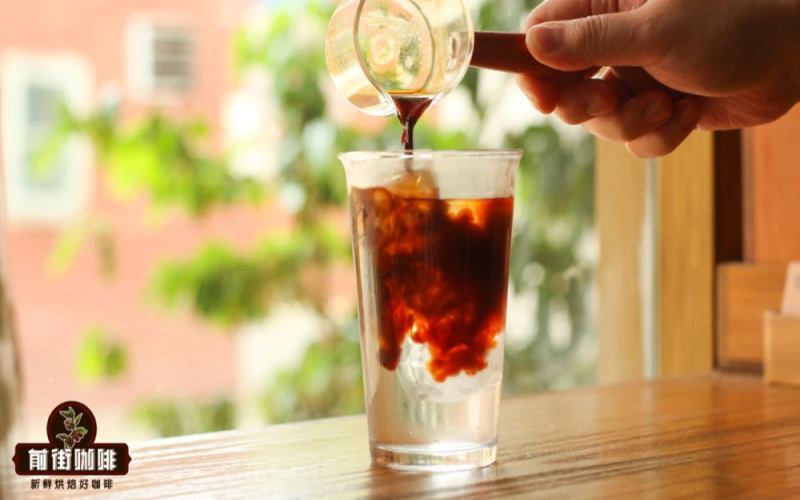
Non-Acidic Americano Coffee Beans Buying Guide | Espresso Blend Combinations and Nutty Chocolate Cookie Flavor Analysis
Americano has long become an indispensable daily drink for many people; whether hot or cold, a cup always brings satisfaction. But as coffee is a crop, its flavor naturally fluctuates—some prefer a rich, bitter note, while others have low tolerance for acidity. If you happen to be looking for an Americano coffee bean with不明显 acidity and a nutty chocolate-cookie style, this article will systematically sort out your purchasing approach, from the causes of coffee acidity and extraction principles to the differences between SOE and espresso blends, and then to specific product recommendations. The article will also combine sales data from major platforms to list several espresso blend coffee beans suitable for making low-acid Americano, covering different price points and uses, making it convenient for coffee lovers and shop owners to reference. [more…]
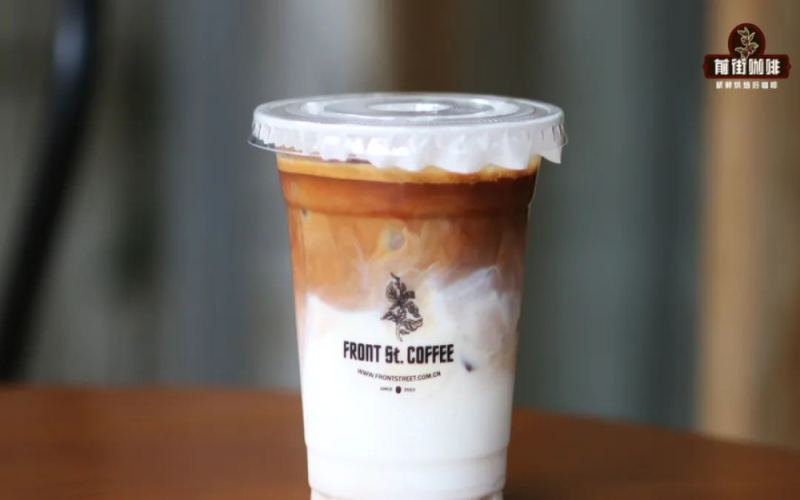
What Is a Latte? A Detailed Guide to Making Iced Latte at Home and Milk Ratios
As midsummer arrives, icy drinks become the top choice for beating the heat, and a glass of iced coffee is a favorite for many. Rather than going out to buy one, why not make an iced latte at home yourself? From the professional perspective of Front Street Coffee, this article will introduce the definition of a latte and explain in detail how to make an iced latte, including selecting coffee beans, choosing the right milk, and the specific steps for each stage. We will also recommend Front Street Coffee's specialty blend and Front Street Strawberry Candy espresso blend beans, which are suitable for making iced lattes, to help you easily recreate a well-balanced, silky iced latte at home. [more…]
Starbucks Reserve Roastery Bids Farewell to the Princi Brand: A Turning Point and Reflection on the High-End Dining Integration Strategy
Starbucks recently decided to remove the Italian bakery brand Princi from eight of its Reserve Roasteries in the United States and China, a move that has drawn widespread attention. Since the partnership began in 2016, Starbucks had sought to use Princi to deeply integrate coffee, baking, and dining, creating a unique third-place experience. However, affected by the pandemic and policy, Princi's standalone stores were closed one after another. Now that the brand has withdrawn from the roasteries, it not only means that the goal of global expansion has fallen through, but also reflects a setback in Starbucks' vision of premiumization and expansion of its food product line. New CEO Brian Niccol has promised a return to the positioning of a community coffee shop, and this decision had already been finalized before he formally took over. Starbucks' move may be a response to current sales challenges, but the specific reasons were not disclosed in an internal memo. [more…]
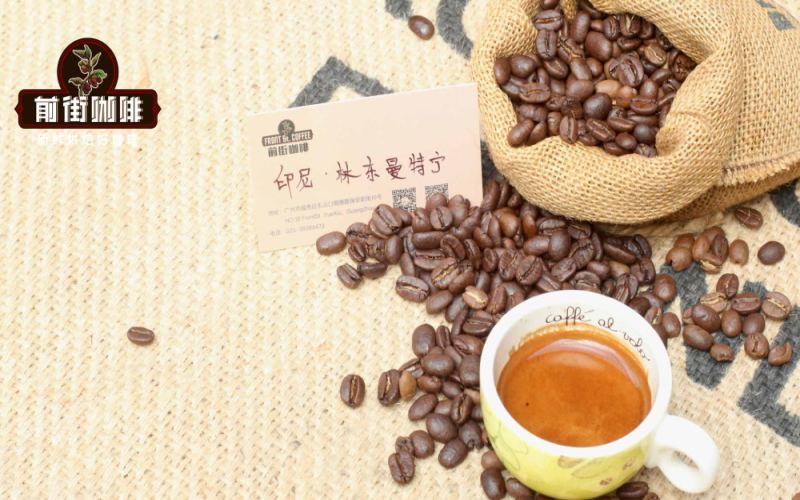
Espresso Blend Guide: Common Recipes, Pairing Ideas, and Five Front Street Coffee Recommendations
The same coffee beans can present completely different flavors depending on the extraction method. Take Front Street Indonesia Mandheling, a medium-dark roast, as an example: when brewed as pour-over, it is mellow and gentle, with notes of caramel, herbs, and spices; if instead made into espresso with a coffee machine, it develops a rich layer of crema, releasing layers of dark chocolate, cream, and roasted nut aromas, and when drunk straight it is intense and stimulating with a pronounced roasted note. This shows that choosing coffee beans cannot be done casually; you need to consider the extraction method, roast level, and freshness. Fresh beans are rich in carbon dioxide, and together with the porous structure of a dark roast, they make it easier to extract a large amount of crema and roasting aromas such as chocolate, cocoa, butter, cookies, and caramel. For beginners, value for money is especially important. Below are five of the most popular espresso blends, covering Front Street Specialty Blend, Commercial Blend, Dark Cocoa Blend, and Classic Blend, along with their respective suitable scenarios and flavor characteristics, for reference whether for opening a shop or home use. [more…]
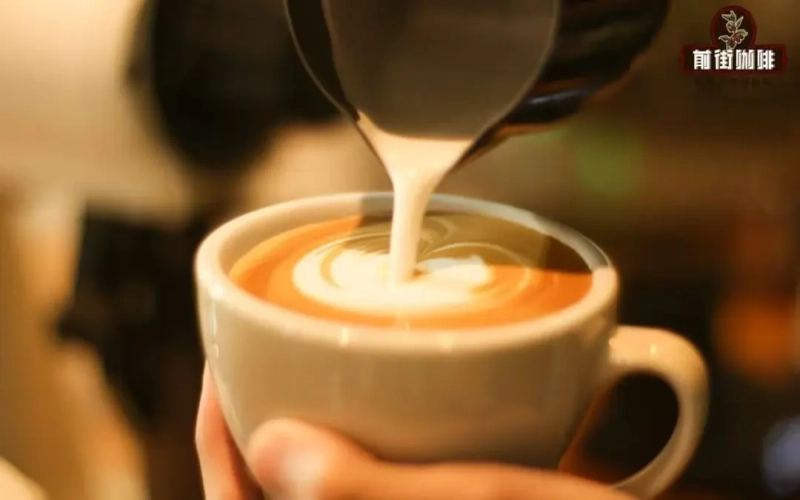
Soy milk, milk powder, Wangzai, or AD calcium milk in a latte? A hands-on test of the flavor and mouthfeel differences of five non-fresh-milk ingredients
Latte, cappuccino, flat white, and Dirty all rely on milk, but what would the final taste be if you swapped in soy milk, milk powder, banana milk, Wangzai milk, or AD calcium milk? This time, Front Street Coffee made lattes one by one using five types of non-fresh milk ingredients, all with Front Street Espresso Blend · Strawberry Candy Espresso, using a 1:5 coffee-to-milk ratio for a hot-and-cold comparison, focusing on aroma integration, sweetness, smoothness of mouthfeel, milk foam performance, and whether it is suitable for latte art. The article not only preserves parameters that can be directly replicated, but also gives judgments on the pros and cons of each ingredient, making it a reference for enthusiasts who want to make specialty coffee at home or in a shop. [more…]
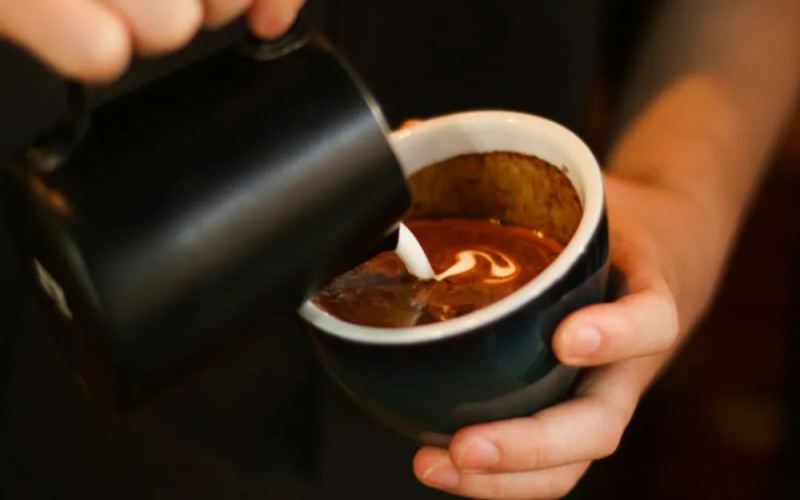
The Complete Guide to Making a Salty Mocha Coffee: A Detailed Tutorial from Purifying Milk to Both Hot and Cold Versions
Mocha coffee is richer in flavor and sweeter in aroma thanks to chocolate, and in recent years a variant called "Salted Mocha" has gone viral online. After trying it personally, Front Street Coffee found it truly excellent, so we've put together this complete tutorial. The article will detail the ingredient preparation for a Salted Mocha, including purified milk that takes a full day to make, as well as the pairing of espresso, chocolate sauce, unsweetened cocoa powder, and salt. The preparation section covers both hot and iced versions of the Salted Mocha—the former uses a tea whisk for stirring and steaming milk for latte art, while the latter is shaken in a cocktail shaker for an icy, rich experience. Throughout, Front Street Sunflower·Warm Sun blend coffee beans are used, which pair perfectly with the chocolate flavor. [more…]
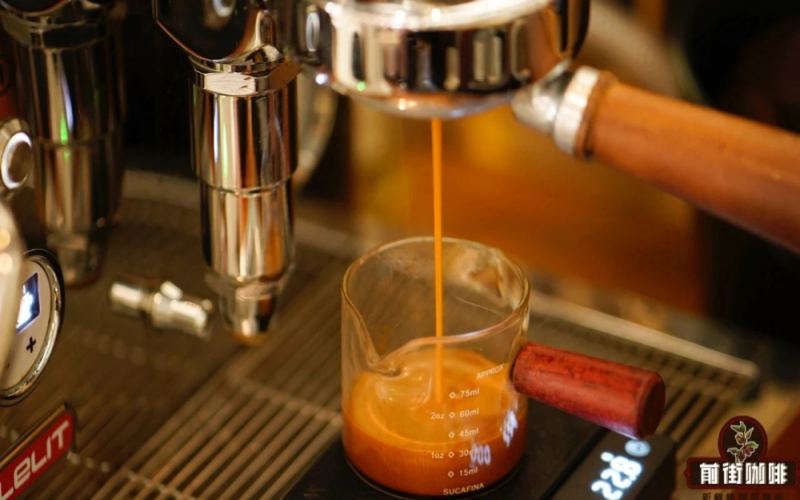
Recommended Coffee Beans for Espresso Extraction | Are Espresso Beans Always Dark Roasted? How Do Blended Beans Taste in Espresso?
Espresso is simply a method of coffee extraction, made using an espresso machine, where hot water under high pressure is forced through the coffee to quickly extract a concentrated shot. Espresso is also called Espresso, or simply Espresso. Many people's first impression is that espresso is strong and bitter, but actually, Front Street tells every [more…]
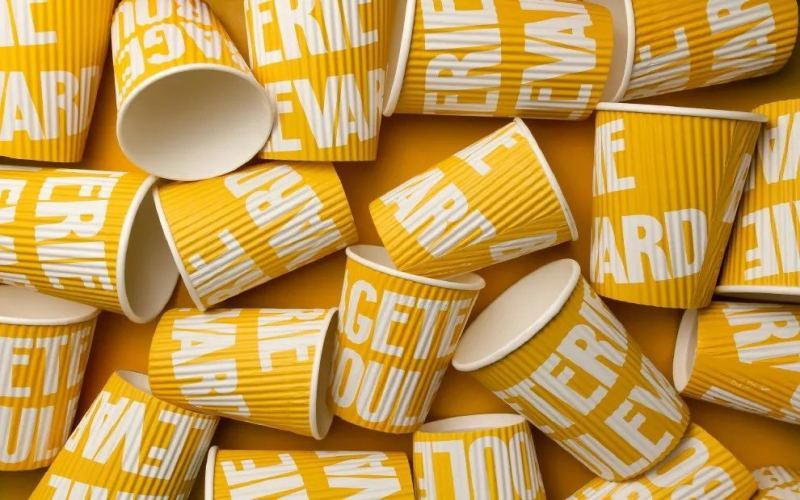
Edible Coffee Cups Make a Comeback: The Eco-Friendly Evolution from Ice Cream Cones to Oat Cups
The environmental problems of single-use paper cups are becoming increasingly severe, and the coffee industry has been searching for alternatives. From the failed attempt with cone cups in 2014, to the brief popularity of KFC's cookie cups, and then to the unexpected revival of oat cups during the pandemic, edible coffee cups have gone through three generations of technological iteration. This article will review the development history, technological breakthroughs, and market dilemmas of edible cups, and explore whether they can truly replace single-use cups and become a new environmentally friendly choice for coffee shops. [more…]
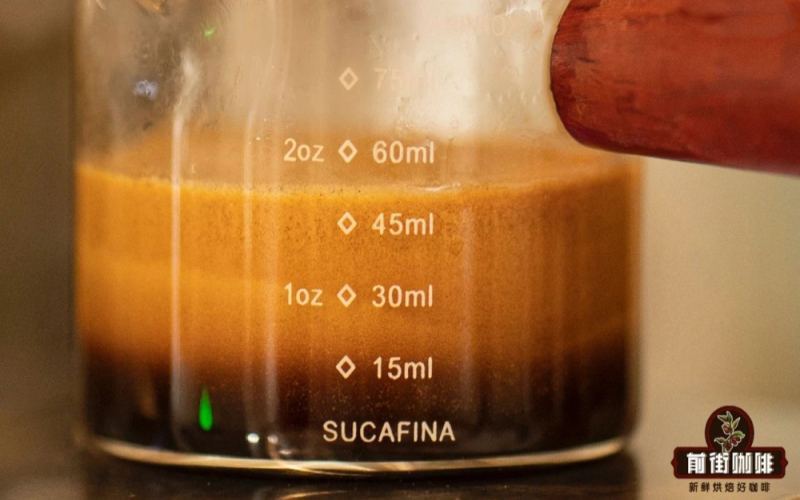
Yirgacheffe SOE Americano vs. Regular Americano: Flavor Differences and a Single-Origin Espresso Bean Tasting Guide
When a customer walks into a café and asks whether they can choose the beans for their espresso, it actually opens up a topic worth exploring in depth: what exactly does it mean to make espresso from single-origin coffee? SOE (Single Origin Espresso) has gradually gained popularity in China in recent years, but it is not some profound technique—it simply means replacing espresso blend beans with single-origin beans and extracting them under high pressure using an espresso machine. Drawing on the practical experience of Front Street Coffee, this article systematically sorts out the taste differences between Yirgacheffe SOE americano and standard americano, discusses whether SOE is necessarily superior to blends, and shares the complete operational key points from bean selection and roasting to extraction parameters, helping coffee enthusiasts make a cup of Yirgacheffe americano or latte with clear flavor and pleasant balance at home. [more…]
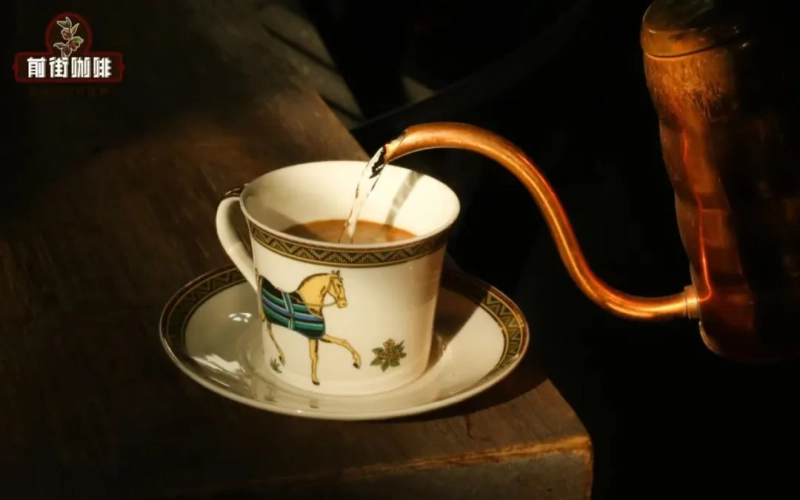
How
Hot Americano may seem like just espresso with hot water, but the water temperature directly affects the aroma, the balance of acidity and bitterness, and the drinking window. Front Street Coffee used the Warm Sun blend as the base and brewed Americanos at four water temperatures—55°C, 65°C, 75°C, and 90°C—then compared them through tastings at three points: immediately after brewing, at the 5-minute mark, and at the 20-minute mark. The experiment found that at the moment of serving, 65°C delivered the best overall performance, while over the course of 20 minutes, 75°C performed better overall. The article also recommends a serving temperature of 75±5°C for dine-in hot Americanos and offers practical tips such as preheating the coffee cup and distinguishing between dine-in and takeaway preparation. [more…]

Can Coffee Still Be Reheated After It Cools Down? Front Street’s Real Tests with Pour-Over and Flat White Reveal the Truth About Taste
When the weather turns cold, coffee cools down especially quickly, and many customers ask: can it be reheated? Before answering this question, we need to first understand what actually happens after coffee cools down. Temperature affects how the taste buds perceive sourness, sweetness, and bitterness, and it also causes volatile aroma compounds to gradually dissipate. This time, Front Street Coffee specifically conducted a comparative experiment, leaving a light-roast pour-over and a medium-dark roast Australian white to cool separately before reheating, to see just how big the difference is between the rewarmed coffee and coffee that is freshly made or fully cooled. The experimental results can help you make a more rational decision in winter about whether this cup of cold coffee is really worth reheating once. [more…]

SOE Latte | What's the difference between an SOE latte and a regular latte? What are some recommendations for good-tasting, affordable, high-quality SOE espresso beans for making lattes?
In everyday life, you may hear terms like SOE latte or SOE Americano—these simply mean using single-origin coffee to make an espresso base, which is then combined with milk to become a latte or with water to become an Americano. This is a way to distinguish it from traditional blended coffee, and the separate name comes from "single [more…]
What Is the Ideal Water Temperature for a Hot Americano? A Comparative Experiment from 55°C to 90°C and the Perfect Ratio Recipe
The difference between a hot americano and an iced americano ultimately comes down to whether the espresso is combined with hot water or iced water. This seemingly simple combination actually involves a lot of nuance—water temperature, the coffee-to-water ratio, and the timing of tasting all influence the final flavor of an americano. This time, Front Street Coffee brewed hot americanos with four different water temperatures—55°C, 65°C, 75°C, and 90°C—and compared them at three points in time: just after brewing, 5 minutes later, and 20 minutes later. Using measured data, we’ll tell you which temperature is best for serving a hot americano for dine-in, and reveal the complete pattern of how coffee flavor changes over time at different water temperatures. [more…]
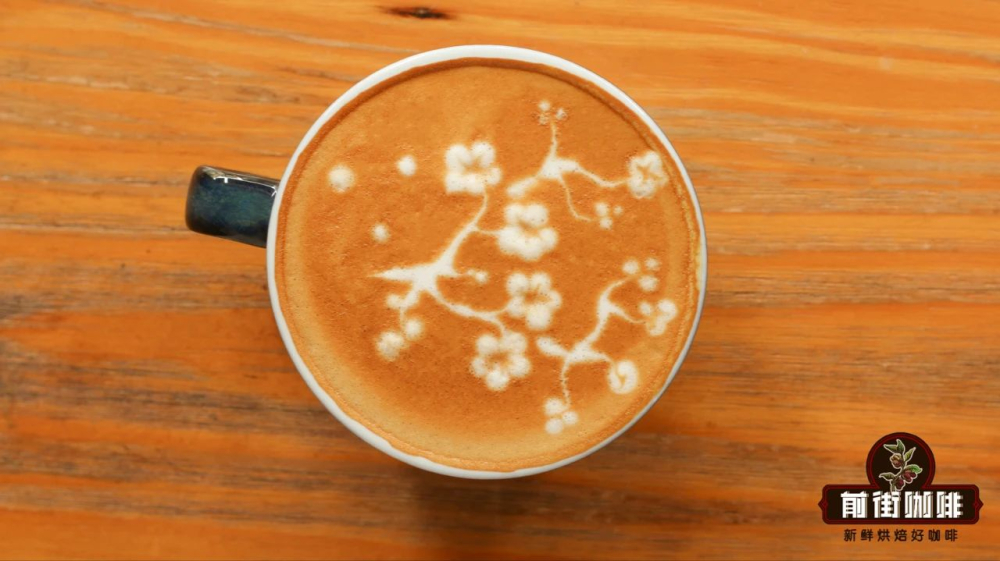
Latte Art | What is latte art? How do beginners make latte art? What are the techniques for making a tulip pattern?
Latte art mainly includes three forms: free pouring, etching, and stenciling. Stenciling uses a stencil to sprinkle cocoa powder, chocolate powder, or cinnamon powder onto the coffee to create a pattern. Free pouring and etching are collectively known as Latte Art; the former involves pouring hot [more…]